
1-2 Thessalonians
1-2 Thessalonians may be brief, but these letters have been referenced by early church writers dating all the way back to the second century. Written in approximately 51-52 A.D., Paul is addressing the church at Thessalonica. One thing that Paul is clearly seeking to do in his letters is to encourage the church in Thessalonica, as well as provide further teaching for new believers. Although facing an incredible weight of persecution, they were still faithful and growing. But Paul knows this is only the beginning—he’s very aware of the severe persecution they will inevitably face. He doesn’t shy away from the hardships and trials they will likely endure. In fact, this theme will actually grow in sense of urgency as we move from 1st to 2nd Thessalonians and the persecution the church faces increases. However, Paul makes clear that this opposition is actually all part of God’s plan and he teaches them how to use it to make them stronger.

After being run out of Thessalonica by an angry mob, Paul writes the church that he, Silas and Timothy had begun.
The church in Thessalonica is strategically poised to have a global impact, but this letter is far from business. Parental imagery and an abundance of affectionate encouragement remind us that we are in fact reading someone else’s mail.
Paul gives the church advice for how to prepare themselves for the spiritual warfare they face.
Paul continues in his letter to advise the church on everything from facing persecution to appropriate sexual behavior.
Paul closes his first letter to the church of Thessalonica by teaching them that the way in which we live and pursue God will either grow and strengthen God’s presence in our lives or quench the fire of His Spirit through indifference.
Much like his first letter, Paul opens 2 Thessalonians with a joyful boast about them. By no means is he dismissing their adverse circumstances, but he takes great pride in how they’ve responded to persecution.
Rumors, lies, and false signs have been poisoning the church and Paul seeks to set the record straight.
In this final chapter, Paul provides practical advice for how the church should correct those misrepresenting the gospel.
Thessaloníki
/ Thes·sa·lo·ní·ki /geographical location
The capital of the Roman province of Macedonia. As a military and commercial station on the Via Egnatia, which ran from the Adriatic Sea east to Byzantium (i.e., Constantinople), it grew to great importance in the Roman Empire.
Ancient Letters
/ an·cient let·ter / noun
Surviving letters such as clay tablets and papyrus scrolls contain a mine of information and they have been invaluable to historians interested in such diverse topics as commodity prices, marriage customs, and regional demographics.
The Second Coming
theological principle
The branch of eschatology that focuses on the Christian hopes of Jesus' return and the kingdom of God, through which history is to end and be fulfilled.
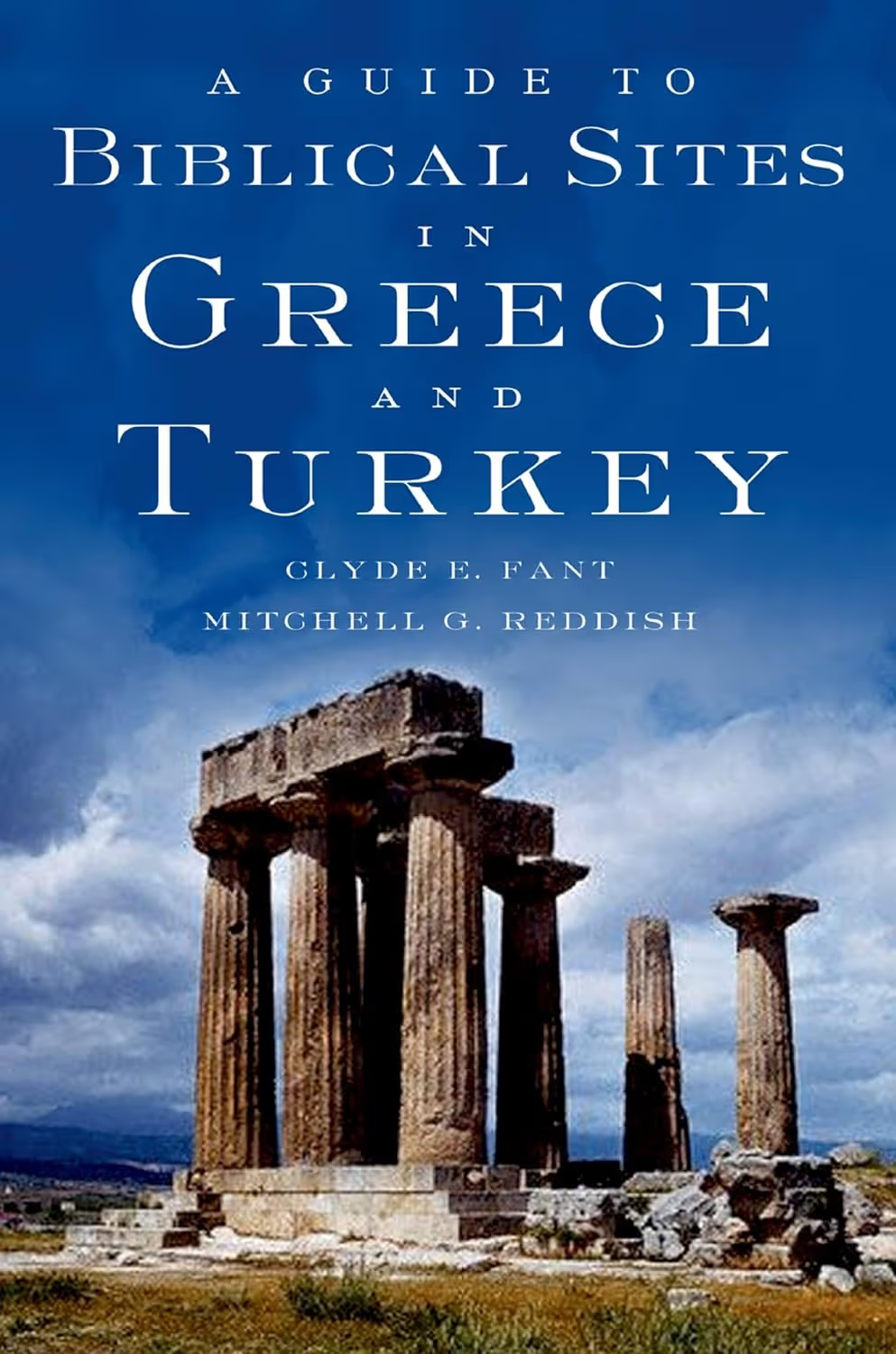
A Guide to Biblical Sites in Greece and Turkey
Clyde E. Fant
A Tale of Two Churches
Jung Unchan
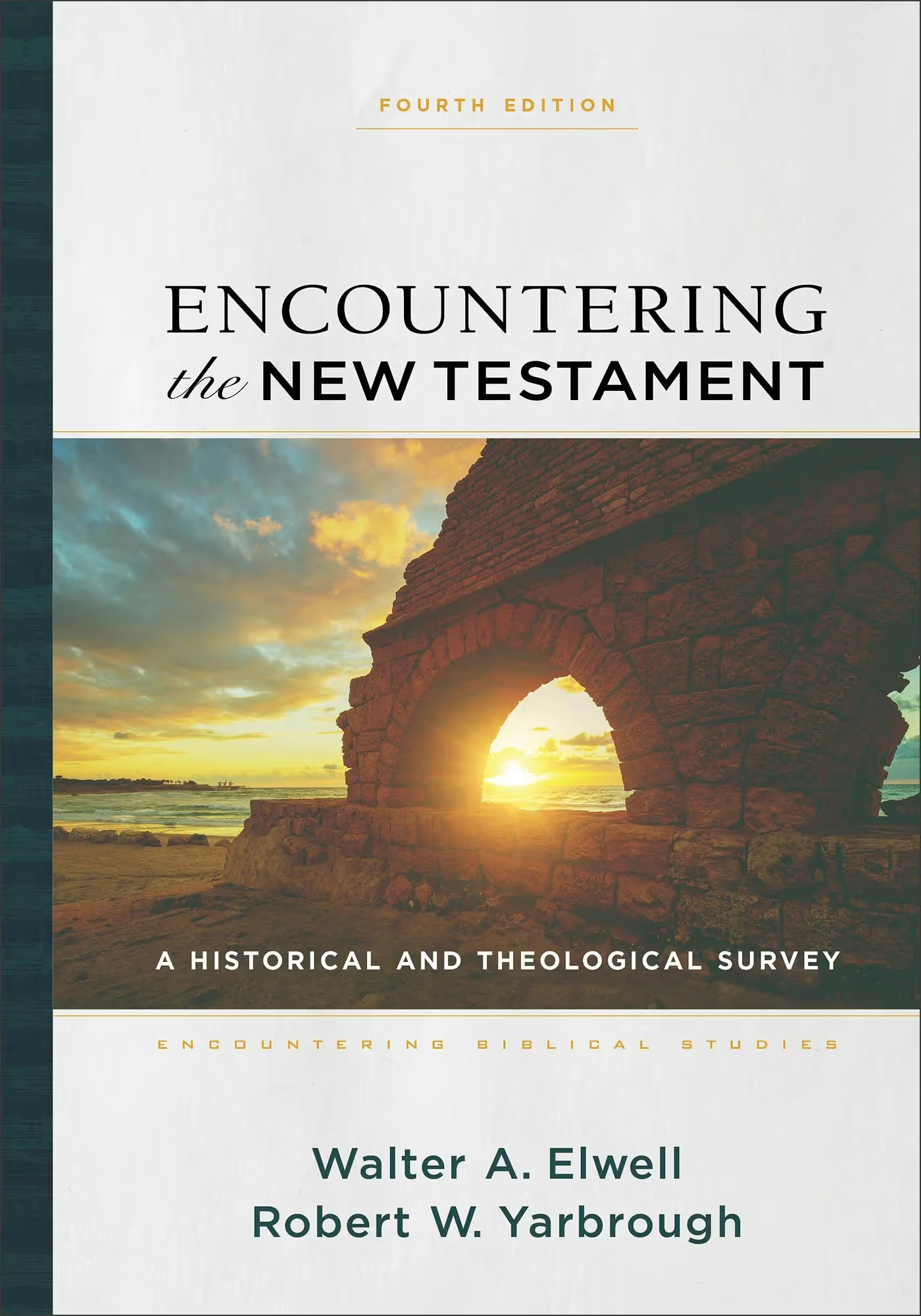
Encountering the New Testament; a Historical and Theological Survey
Walter Elwell
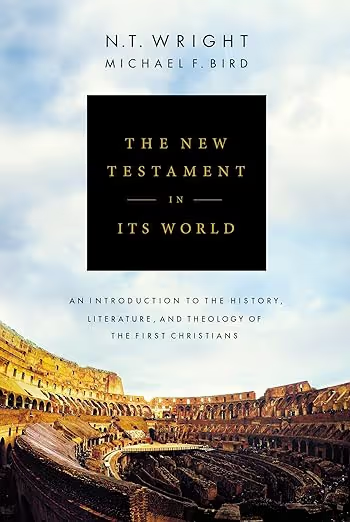
The New Testament in Its World: An Introduction to the History, Literature, and Theology of the First Christians
N.T. Wright