
Leviticus
Holiness is an elusive concept—one that is at the heart of the book of Leviticus. Often skimmed over by a modern audience, Leviticus can seem overwhelmingly foreign and strange. Dealing with cultural practices involving sacrifice and offerings, as well as instances of judgement and wrath that can be confusing when taken out of context.Whereas Exodus ends with the glory of Yahweh filling the Tabernacle, Leviticus begins by explaining how that divine presence can be sustained amidst errant human beings. It’s not just a book of ancient rituals — it’s a manual for living in relationship with the only One who is truly holy. Strange fire, literal scapegoats, and ritual purification are just a few examples of important truths that can masquerade as irrelevant ancient customs. Leviticus may be an ancient book, but it’s full of modern relevance. And in a world where holiness is so often misunderstood, Leviticus holds crucial lessons for how we ought to live in relationship with a holy God.

Atonement
/ atone·ment / noun
The state of being at one or being reconciled.
Covenant
/ cov·e·nant / noun
a formal, solemn, and binding agreement.
Pentateuch
/ Pen·ta·teuch / proper noun
The first five books of the Bible.
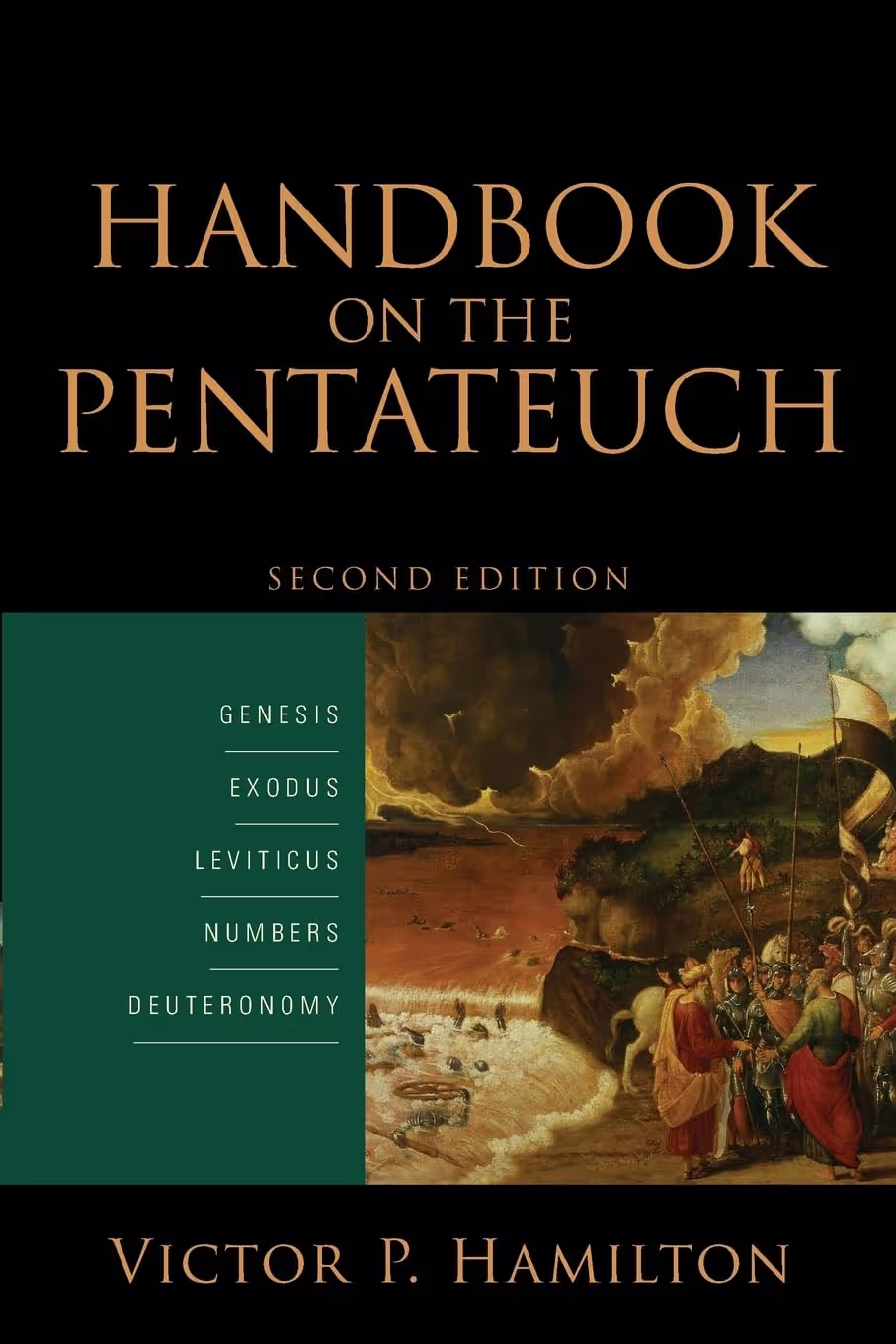
Handbook on the Pentateuch
Victor P Hamilton
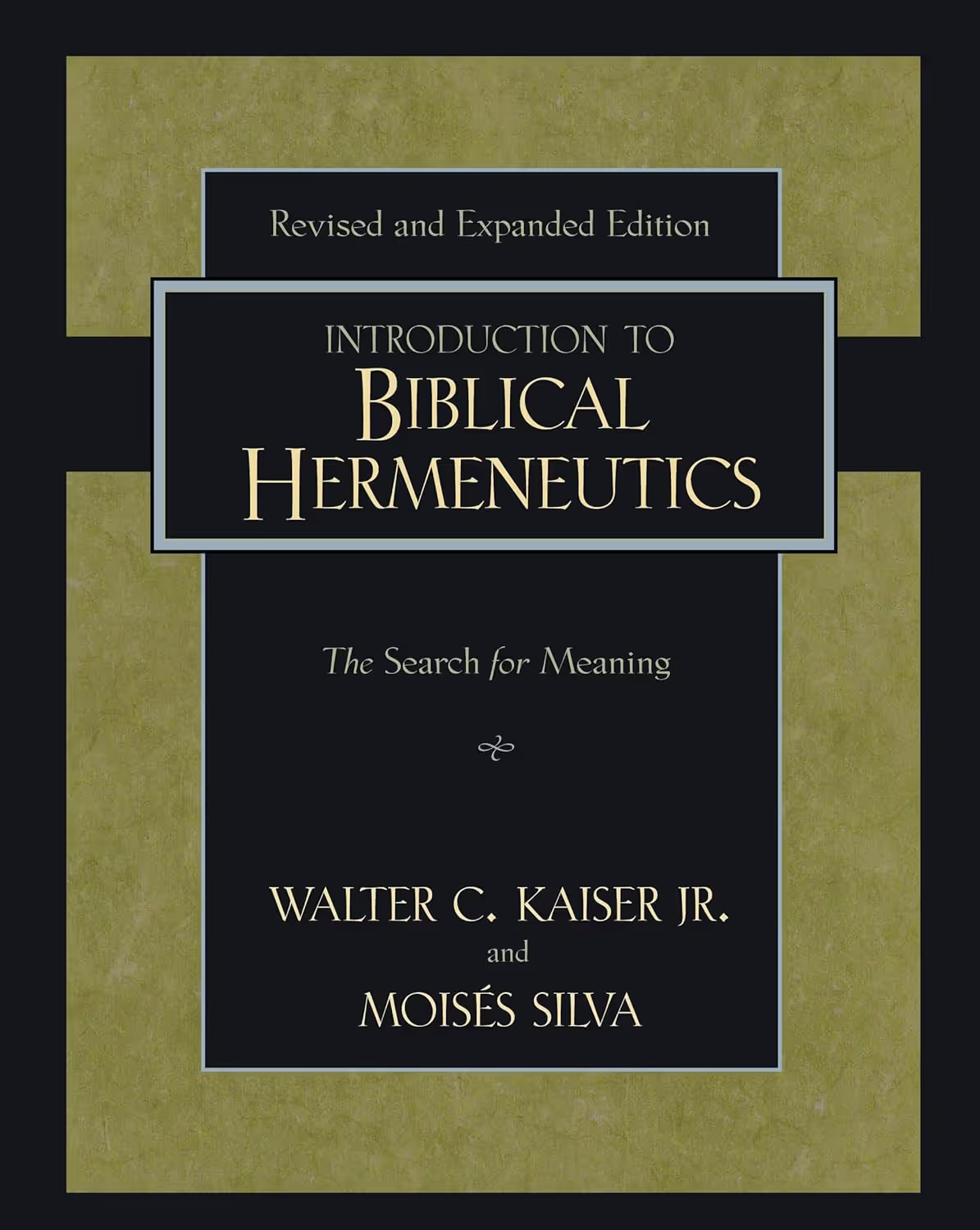
An Introduction to Biblical Hermeneutics; the Search for Meaning
Walter C Kaiser Junior and Moises Silva