
Deuteronomy
Most read Deuteronomy as a book of law, but it’s much more than that…The final book of the Pentateuch, Deuteronomy frames the story of Israel not just as a historical journey, but as a rallying cry to covenant faithfulness in every generation.Contained in Deuteronomy are Moses’ final speeches. In this way, much of Deuteronomy is a long sermon. Yet, although much law is given, Deuteronomy is not legalistic; it’s emotional, moral, and relational. The repeated call is to “love the LORD your God with all your heart, soul, and strength.” The emphasis is not on obedience out of rigid rules, but real relationship.There’s also deep concern for the marginalized: the widow, the orphan, the foreigner. Laws about debt release, fair treatment of workers, and just leadership reflect a vision of a just society grounded in memory; because Israel was once a slave nation, it must never become an oppressor. Serving as the foundation of the Deuteronomistic History (the books of Joshua through Kings) Deuteronomy’s influence is profound, shaping later prophetic voices (like Jeremiah) and echoed in the teachings of Jesus, who quotes Deuteronomy more than any other book.
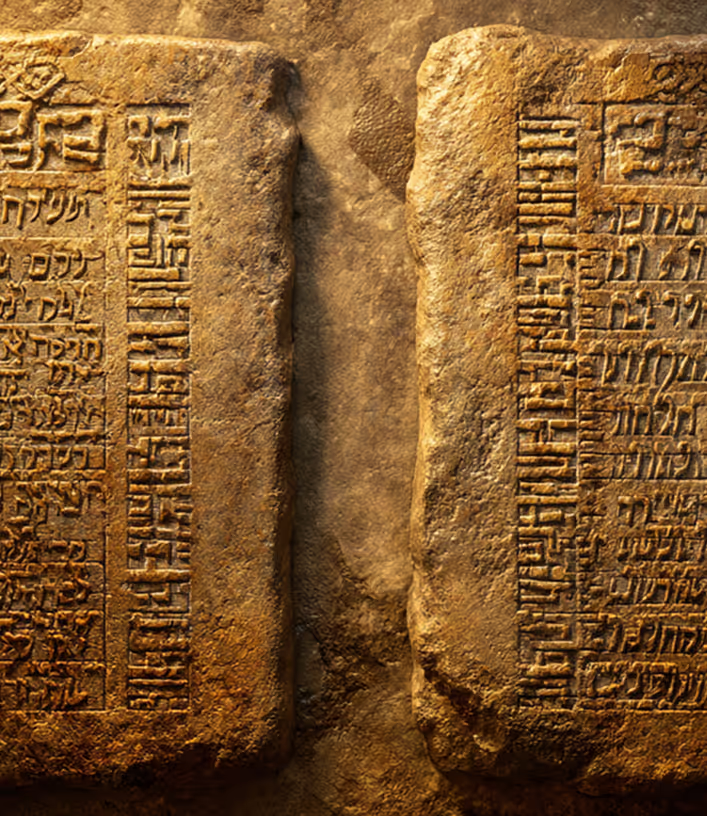
Canaan
/ Ca·naan / geographical name
Variously defined in historical and biblical literature, but always centred on Palestine. Its original pre-Israelite inhabitants were called Canaanites.
Amorite
/ Am·o·rite / proper noun
A member of one of various Semitic peoples living in Mesopotamia, Syria, and Palestine during the third and second millennia B.C.
Pentateuch
/ Pen·ta·teuch / proper noun
The first five books of the Bible.
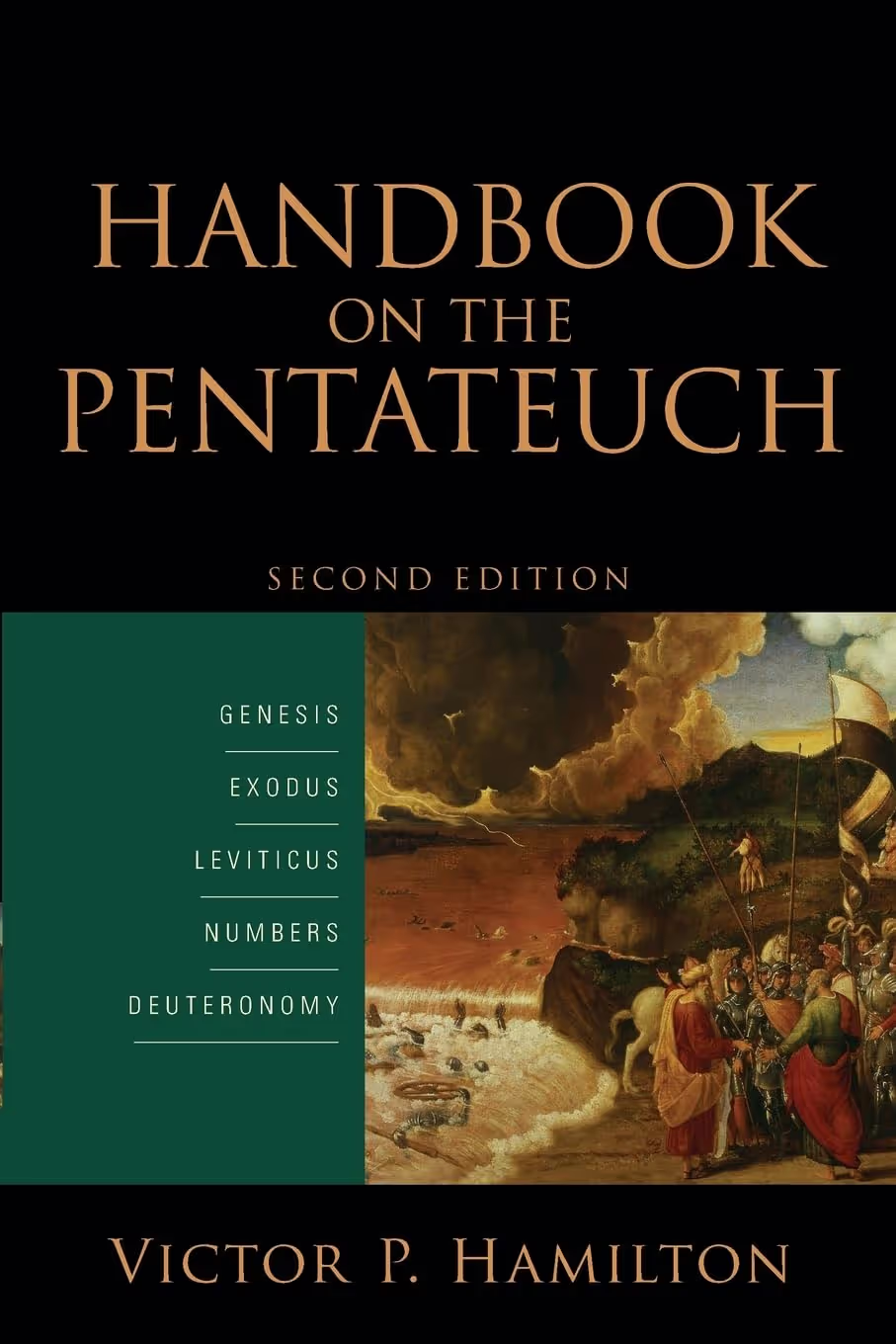
Handbook on the Pentateuch
Victor P Hamilton
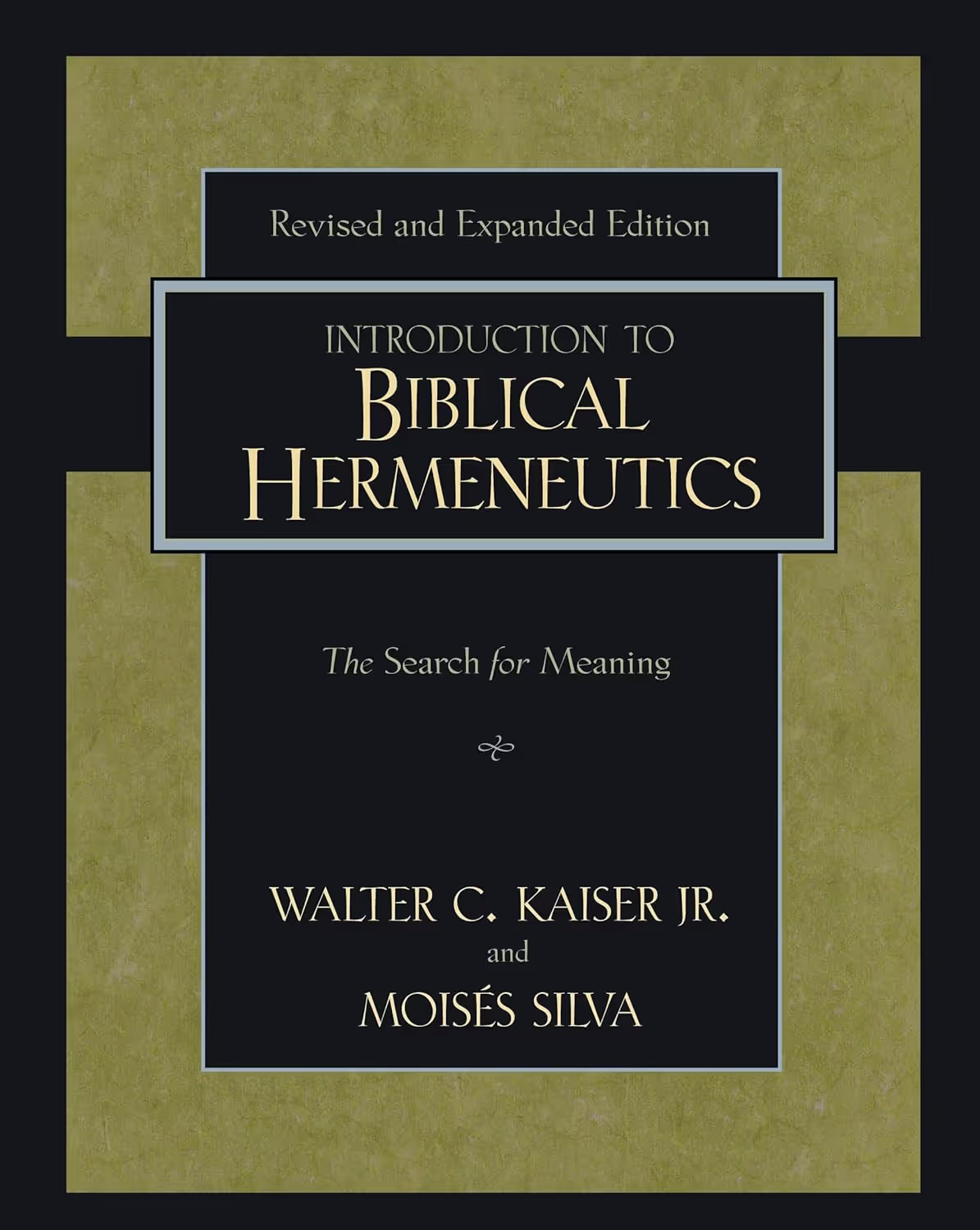
An Introduction to Biblical Hermeneutics; the Search for Meaning
Walter C Kaiser Junior and Moises Silva