
1-2 Samuel
Though now broken into two, 1-2 Samuel were originally one Hebrew book. It’s a historical narrative that spans the end of Israel’s Judges on through King Saul and the anointing of King David. Although the book shows a fractured tribal nation moving toward an organized monarchy, the author doesn’t shy away from the dark side of power. 1–2 Samuel speaks to enduring questions about leadership, justice, and the tension between divine sovereignty and human agency. It delivers a nuanced portrait of political power, showing how deeply flawed people can still be used in meaningful, even redemptive, ways. For religious readers, it lays foundational ideas about God’s involvement in history and the promise of a messianic king.

Ephod
/ eph·od / noun
Sacred vestment worn by the high priest.
Herem
/ he·rem / noun
One of three forms of ecclesiastical excommunication pronounced by a rabbi or by the officials of a synagogue or community.
Jerusalem
/ Je·ru·sa·lem / geographical location
A holy city for Judaism, Christianity, and Islam.
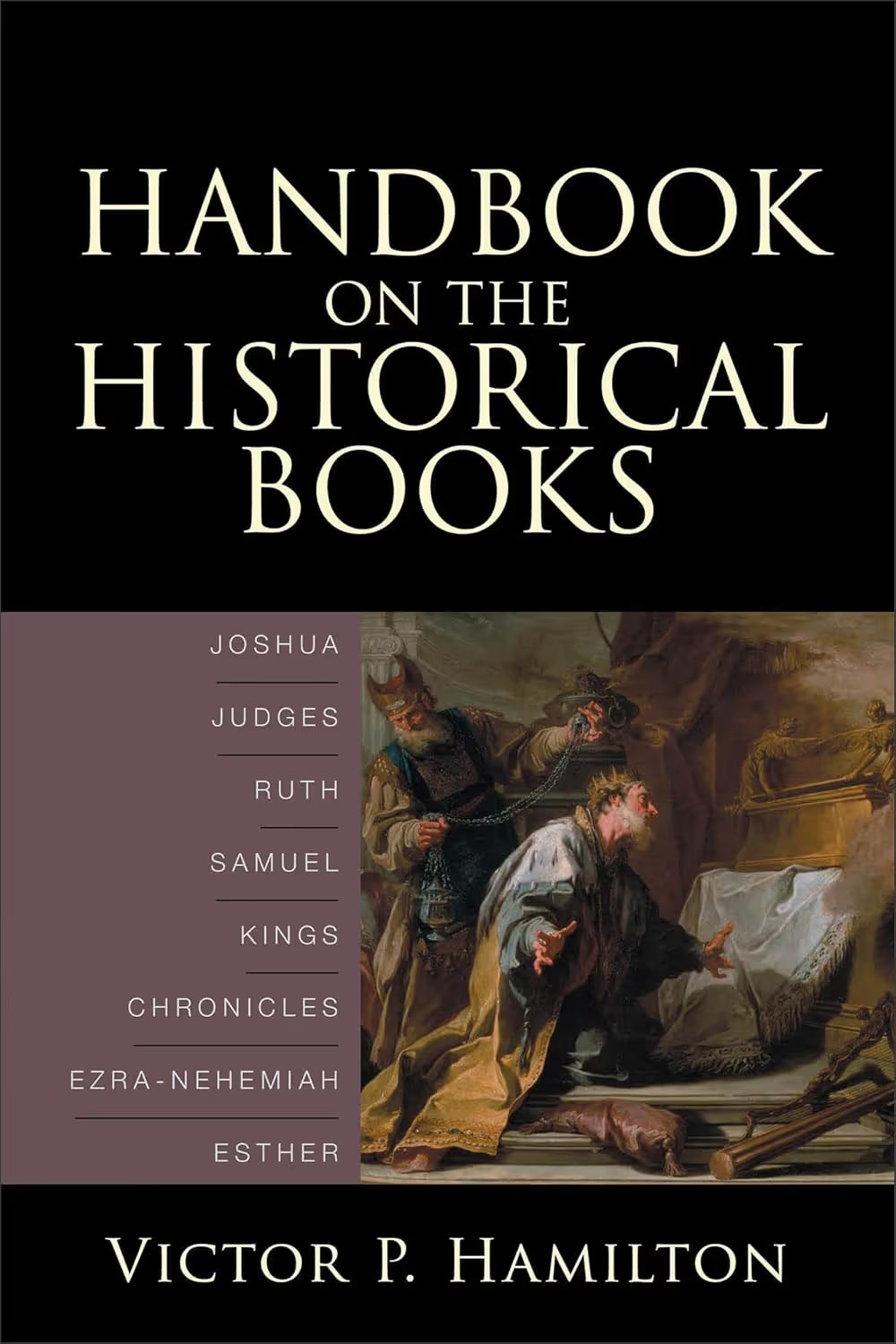
Handbook of the Historical Books
Victor P Hamilton
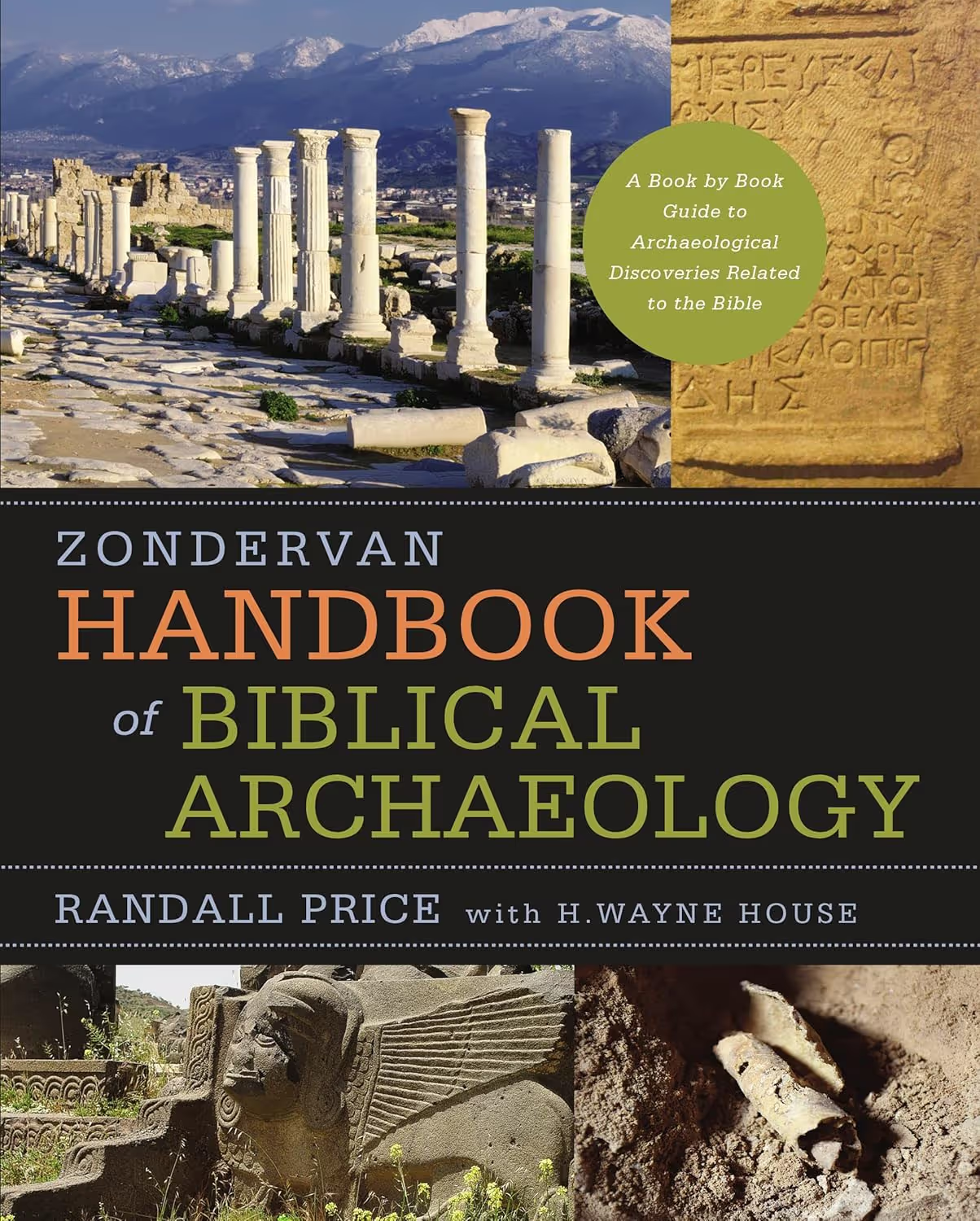
Zondervan Handbook of Biblical Archeology
Randall Price