
1-2 Kings
1 Kings opens with the death of King David and his heir, King Solomon taking the throne. Though the nation will prosper under Solomon, their prosperity won’t last, and 2 Kings will close with destruction of Jerusalem and the Babylonian exile. The narrative, however, is more than a political chronicle—it’s a theological interpretation of Israel’s history through the lens of covenant faithfulness. It evaluates each king, not by political success, but by their loyalty to God and showcases what happens to a society that abandons their moral code.1-2 Kings lay the groundwork for prophetic hope during exile and set the stage for the prophetic literature and the eventual hope of restoration.
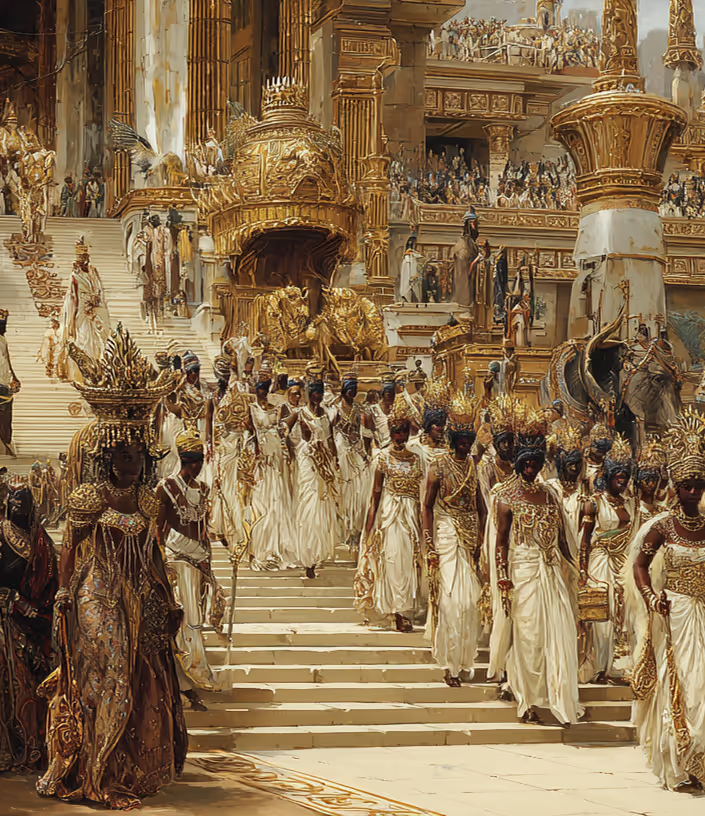
Israel
/ Is·ra·el / proper noun
A people chosen by God.
Ancient Wisdom Literature
noun
Collections of sayings and practical admonitions for daily living.
Ramah
/ ra'-ma / geographical location
Situated some distance to the North of Gibeah, and not far from Gibeon and Beeroth.
Samaria
/ Sa·mar·ia / geographical location
The central region of ancient Palestine. Samaria extends for about 40 miles (65 km) from north to south and 35 miles (56 km) from east to west.
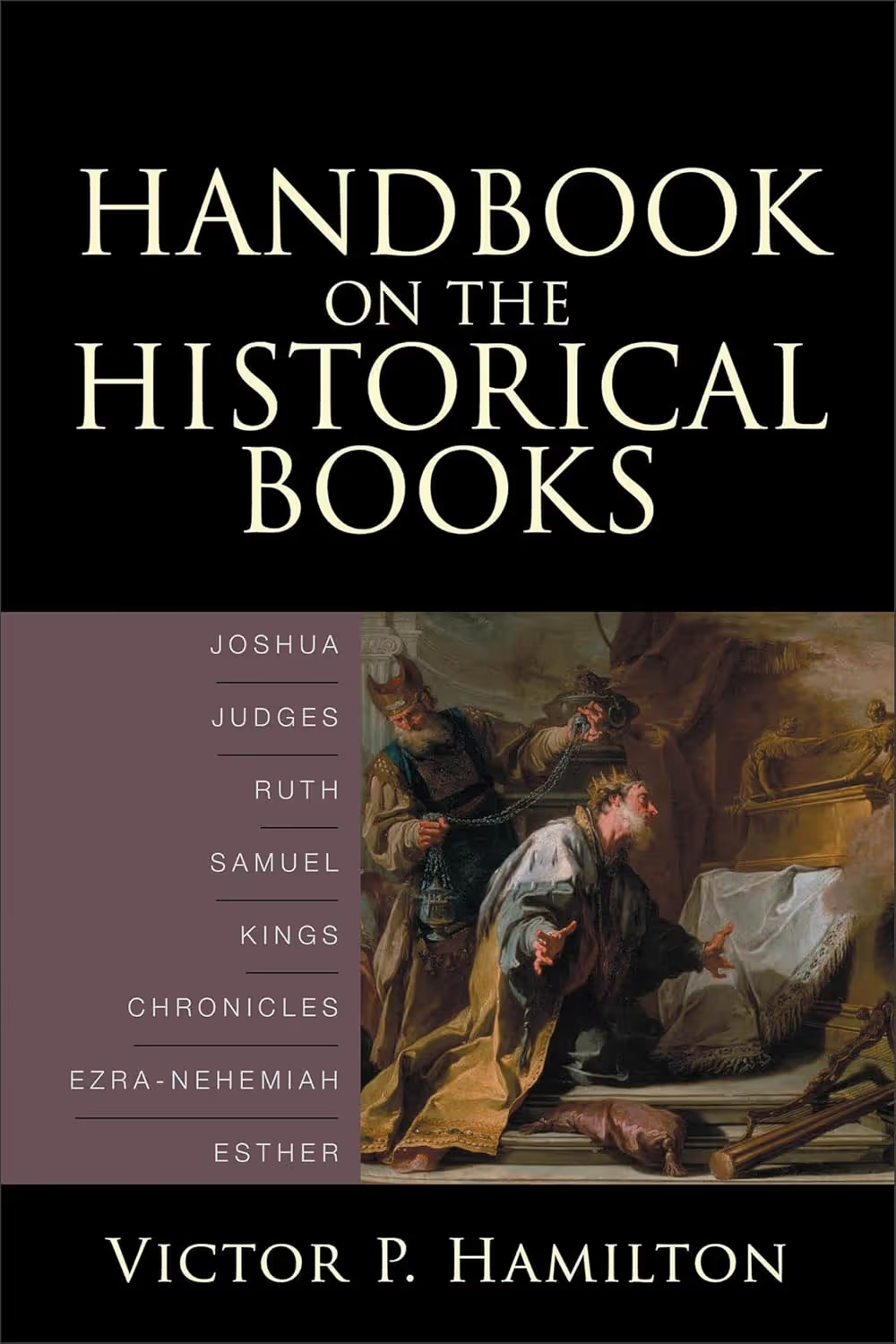
Handbook of the Historical Books
Victor P Hamilton
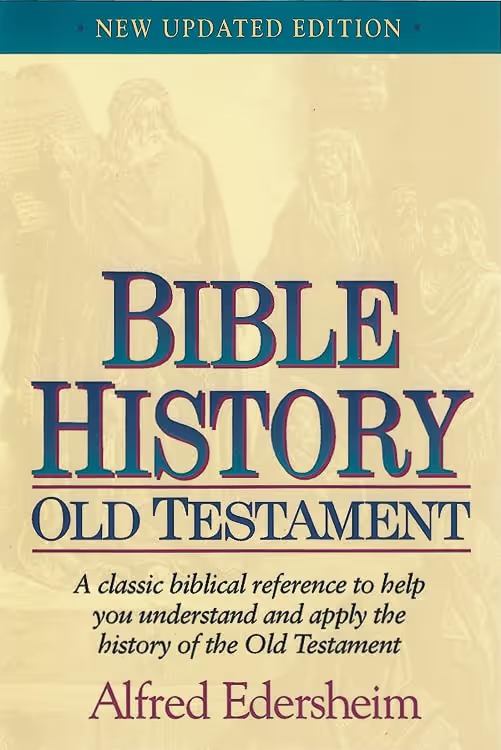
Bible History, Old Testament
Alfred Edersheim